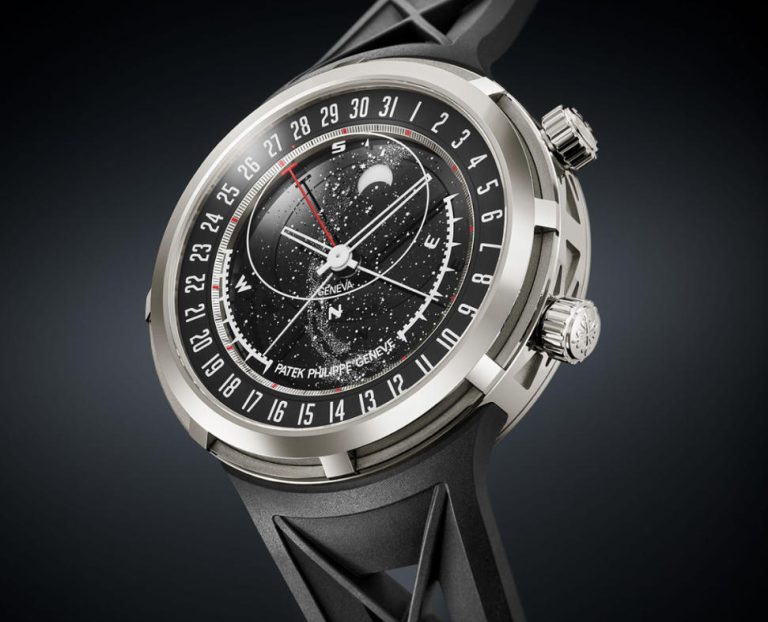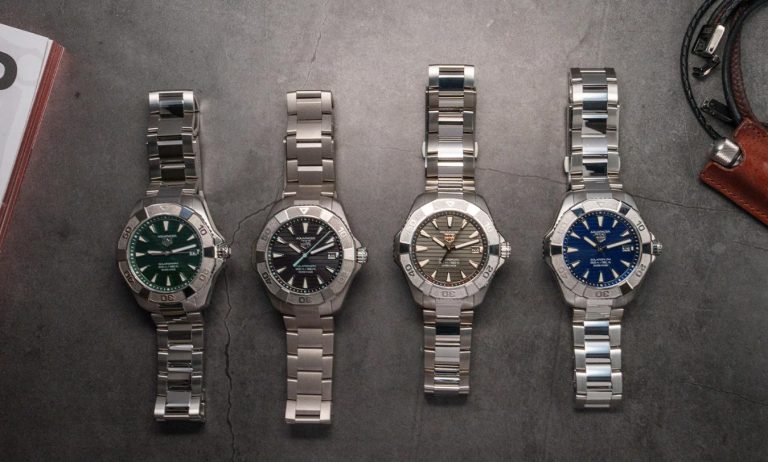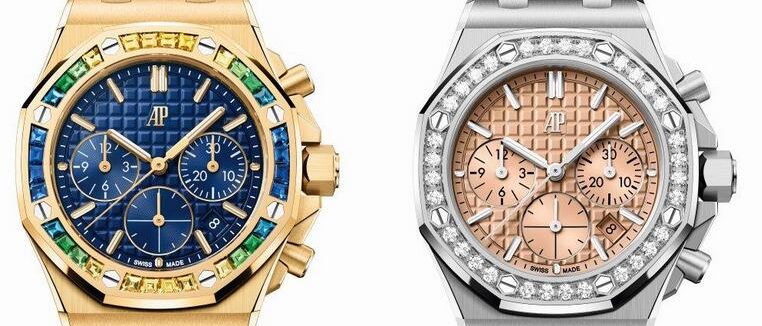
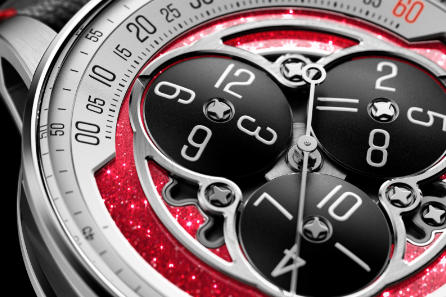
When people first get interested in watches, they often focus on a single design or model. But over time, most enthusiasts realize that understanding watches requires looking at multiple models side by side. It’s not just about liking one watch — it’s about seeing how different designs approach the same idea.
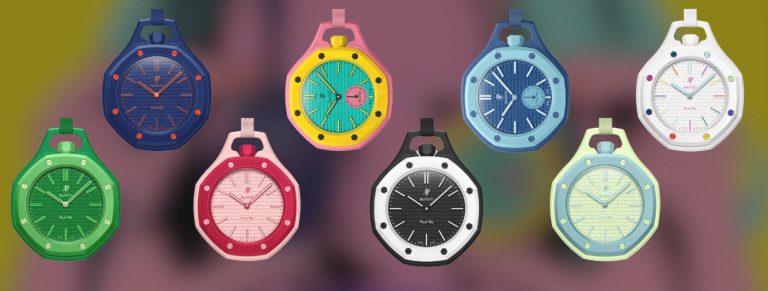
Collectors often spend time comparing case shapes, dial layouts and overall proportions. These elements might seem similar at first glance, but small variations can change the entire impression of a watch. That’s why comparison becomes a natural habit rather than a one-time step.
Looking Beyond a Single Model
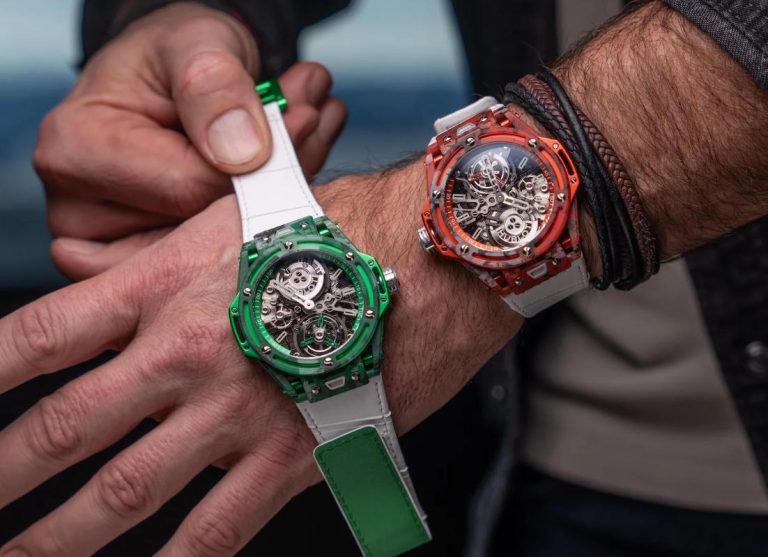
A single watch can only show so much. When several models are viewed together, patterns begin to appear. Some designs emphasize symmetry, others focus on readability, while certain models stand out because of their proportions or finishing.
This broader perspective helps collectors understand not just what they like, but why they like it. It also makes it easier to recognize well-balanced designs compared to those that feel slightly off.
The Role of Proportion and Detail
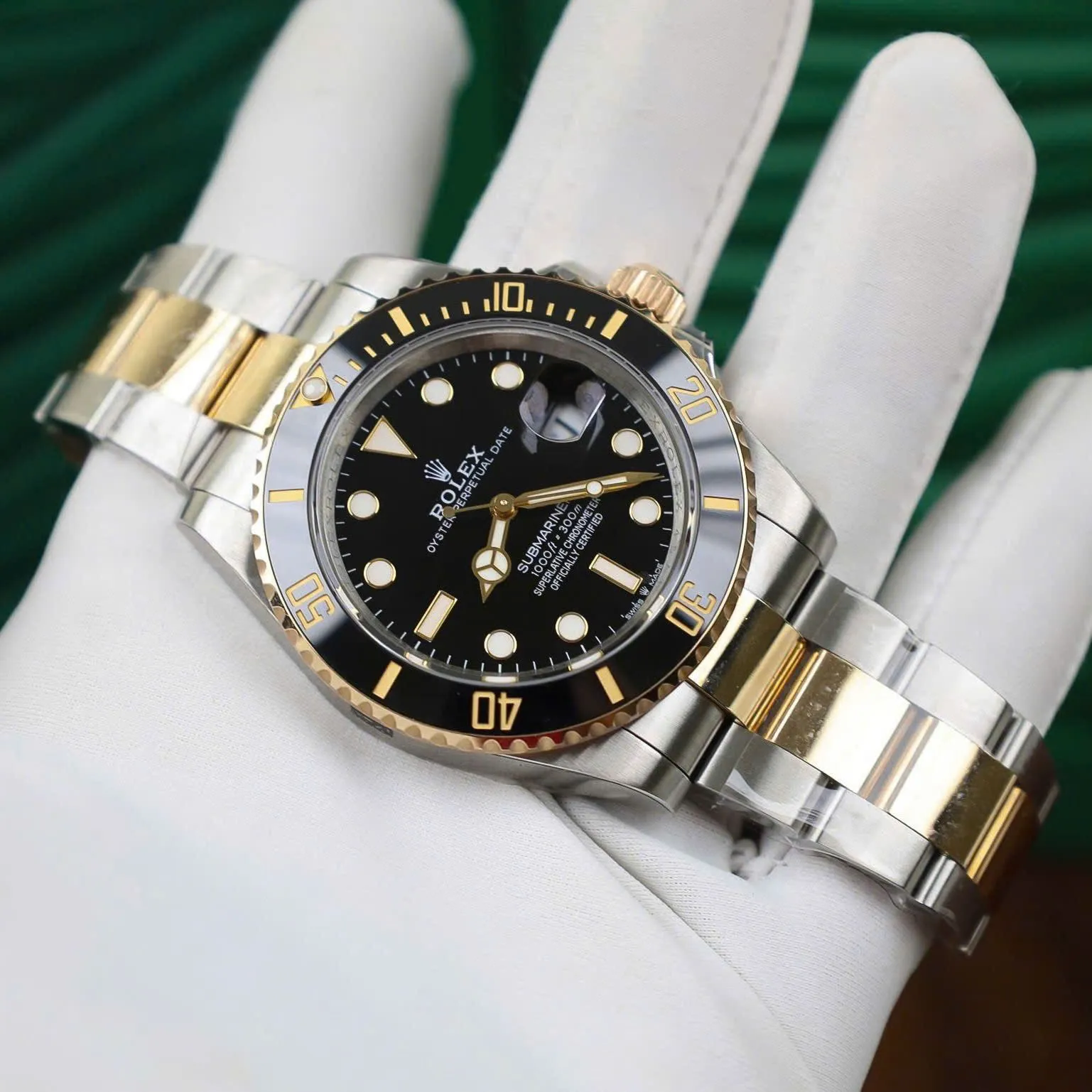
One detail that often goes unnoticed at first is proportion. The relationship between the case diameter, thickness and lug shape plays a major role in how a watch feels visually. Two watches with similar specifications can still look very different once these elements are compared directly.
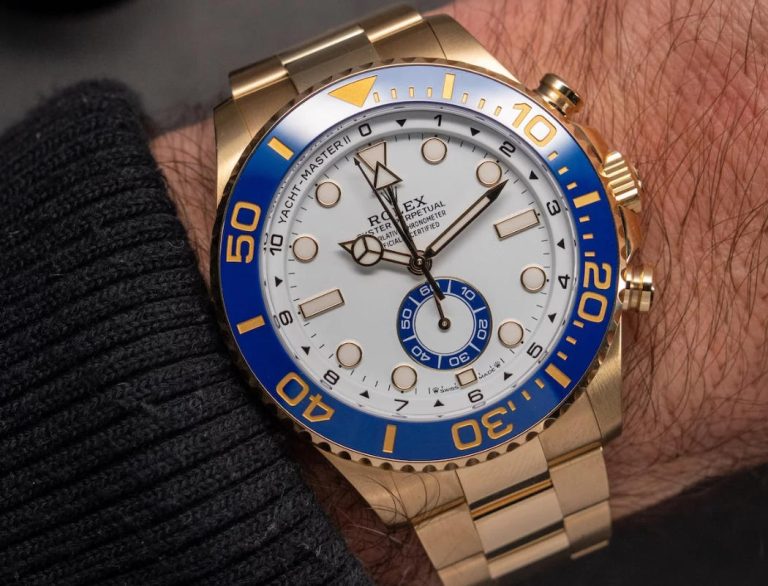
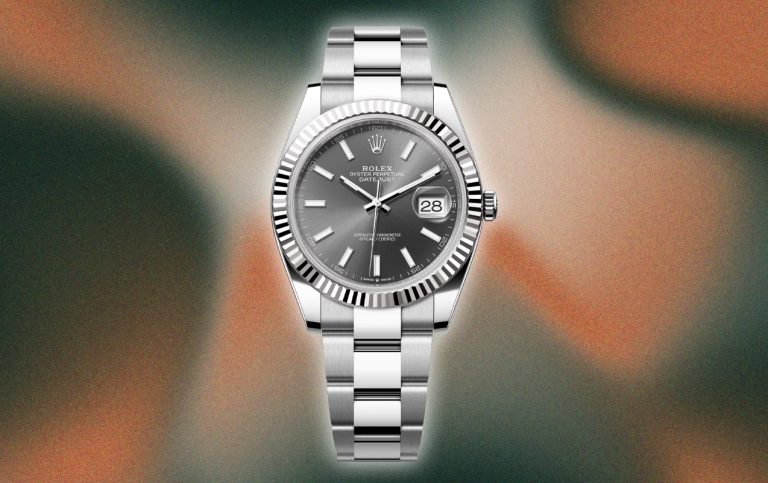
Collectors also pay attention to smaller details such as hand shapes, marker placement and bezel design. These details are subtle, but they influence the overall character of a watch more than most people expect.
Using Watch Model Collections for Comparison
As more resources become available online, it has become easier to compare watches across different styles and categories. Many enthusiasts now use structured collections to review multiple models at once instead of relying on isolated images.
For example, some collectors explore platforms like watch design collection resources to better understand how different models relate to each other and to compare variations in design.
Why Comparison Becomes a Habit
Over time, comparison turns into a habit rather than a deliberate action. Enthusiasts often revisit the same models multiple times, noticing new details with each pass. What seemed unimportant at first can become a key factor in how a watch is perceived.
It’s also common to return to larger catalogues such as https://bestuhren.de/ to review models again after gaining more experience. Each revisit tends to reveal something new, even when looking at the same designs.
Conclusion
Comparing watch models is one of the most effective ways to understand design and craftsmanship. By looking at multiple watches instead of focusing on a single piece, collectors develop a clearer sense of proportion, detail and overall balance.
This process takes time, but it’s what makes watch collecting both engaging and rewarding.
About the Author