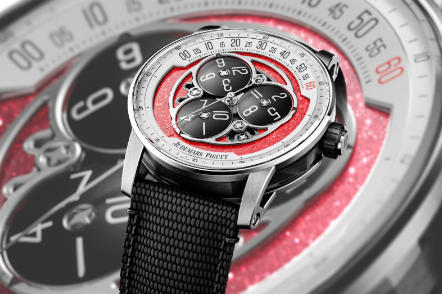
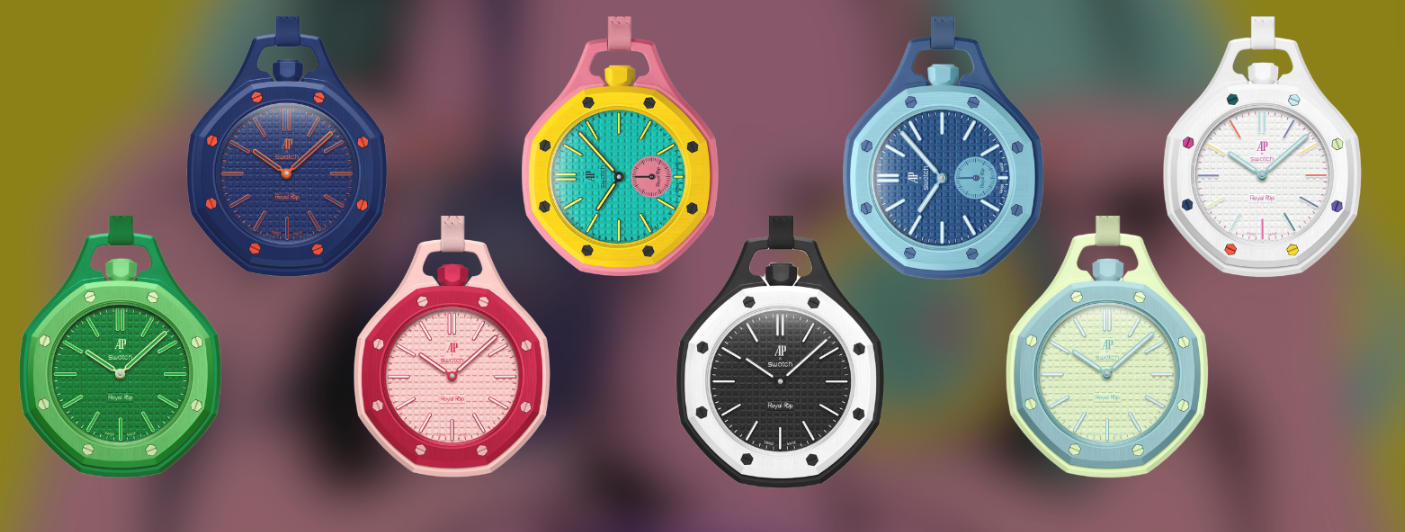
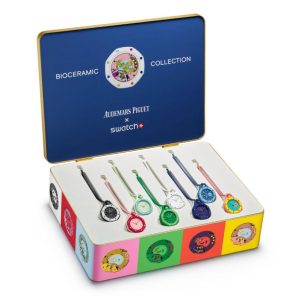
Few watches have influenced modern luxury design as strongly as the Audemars Piguet Royal Oak. Since its introduction in 1972, the model has challenged traditional ideas of what a luxury sports watch could be. The discussion around the Audemars Piguet and Swatch Royal Pop collaboration shows just how powerful that design language remains decades later. Rather than being viewed as simply another interpretation of the Royal Oak shape, the Royal Pop concept represents a broader conversation about how classic watch ideas can be reimagined for a different audience. For enthusiasts exploring different luxury watch collections and modern design trends, this collaboration offers an interesting example of how heritage influences contemporary creativity.
The Lasting Influence of the Royal Oak Design
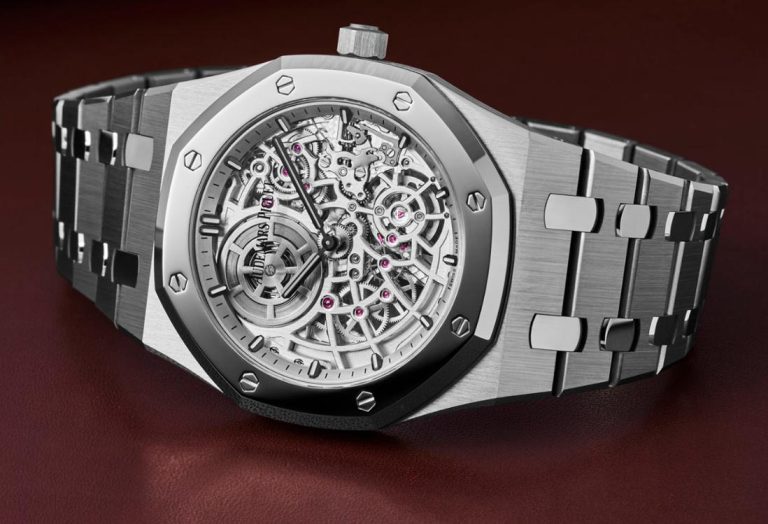
When the Royal Oak arrived in the early 1970s, it introduced a completely different approach to luxury watch design. The combination of an integrated bracelet, bold case structure, and distinctive octagonal bezel created a style that was unlike traditional dress watches of the period. The design was created by legendary watch designer Gérald Genta, whose vision helped establish the luxury sports watch category. The exposed screws, strong geometric lines, and carefully finished surfaces became defining characteristics that collectors still recognise today.
Why The Royal Pop Concept Created Discussion
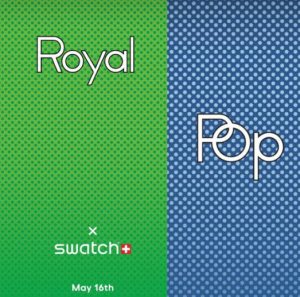
The interest surrounding the Royal Pop concept came from the contrast between heritage and accessibility. The Royal Oak represents decades of fine watchmaking tradition, while Swatch has built its reputation around creativity, colour, and a more playful approach to watches. This combination naturally created debate among watch enthusiasts. Some focused on the connection to an iconic design, while others looked at how younger audiences might discover luxury watch aesthetics through a different perspective.
A Different Way To Look At Luxury Watch Design
The most interesting aspect of collaborations like this is not simply the appearance of the watch itself, but the conversation it creates around design. A successful watch design often survives because it communicates an idea. The Royal Oak became famous because it challenged expectations. Modern interpretations continue that conversation by introducing new materials, colours, and approaches.
The Importance of Heritage in Modern Watch Culture
Today, watch enthusiasts often look beyond specifications and focus on the story behind a design. Historical importance, creative direction, and cultural influence all contribute to how a watch is remembered. Readers interested in exploring more about iconic watch development can also discover our articles covering Audemars Piguet watch history and other important moments in luxury watch culture.
Final Thoughts
The conversation around the Audemars Piguet and Swatch Royal Pop demonstrates how influential watch designs continue to evolve. The Royal Oak was never only about materials or mechanics; it represented a new way of thinking about luxury sports watches. Whether viewed from a collector’s perspective or simply as an example of modern design evolution, the collaboration highlights an important point: iconic watches remain relevant because they continue to inspire new discussions. Explore more stories about classic timepiece design and luxury watch collections through our latest watch articles.
About the Author