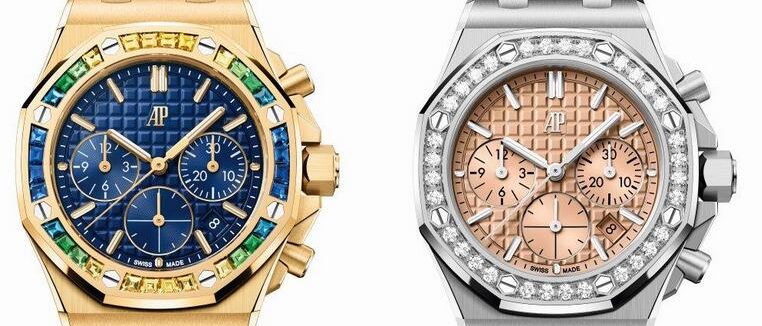
Watch Knowledge and Horology Basics
Watch terminology can become complicated quickly. Movements, complications, case materials and collection names are often discussed without explaining what they actually mean.
The Watch Knowledge section of Master Replica UK is designed as a practical reference for readers who want to understand the basics before moving into individual brands and models.
Mechanical and Automatic Movements
A mechanical watch uses a mainspring to store energy. In a manually wound watch, the wearer winds the crown to tension that spring.
An automatic movement adds a rotor that moves with the wrist and helps wind the mainspring during normal wear. This does not mean an automatic watch will run indefinitely; it still has a finite power reserve.
Quartz Movements
Quartz watches use a battery and electronic regulation. They are generally accurate, practical and require less interaction than mechanical watches.
Quartz should not automatically be treated as inferior. It is simply a different approach to timekeeping.
What Is a Chronograph?
A chronograph is a stopwatch function built into a watch. It usually uses one or more pushers and additional subdials to measure elapsed time.
The Rolex Daytona, Omega Speedmaster, Breitling Navitimer and TAG Heuer Carrera are well known examples of watches strongly associated with chronograph design.
What Is a GMT Function?
A GMT watch displays an additional time zone, usually using an extra hand that travels around a 24 hour scale.
This is particularly useful for travel or for keeping track of another location without changing the main local time display.
Understanding Case Measurements
Case diameter is usually measured across the watch body without including the crown. Lug to lug length measures the vertical distance between the ends of the lugs, while thickness indicates how high the watch sits on the wrist.
These measurements should be considered together because diameter alone does not determine how large a watch feels.
Common Watch Materials
Stainless steel remains one of the most common case materials. Titanium is lighter, while ceramic offers a different finish and strong resistance to surface scratching.
Precious metals such as yellow gold, rose gold and platinum are used in higher end watchmaking, while carbon based composites and sapphire cases appear in more experimental designs.
Bezel Types
A diving bezel usually rotates and is marked to help track elapsed minutes. A GMT bezel typically carries a 24 hour scale, while a tachymeter bezel is associated with chronographs and speed measurement.
Some bezels are primarily decorative, such as the fluted style associated with certain Datejust and Day Date references.
Bracelets and Straps
Bracelets are not merely accessories. Link construction, taper, clasp design and articulation can significantly affect comfort.
Leather, rubber and fabric straps change the character of a watch and may also reduce weight compared with a full metal bracelet.
Power Reserve
Power reserve describes how long a mechanical watch can continue running once fully wound without receiving additional energy.
Modern automatic watches often offer anything from around 40 hours to several days, depending on the movement design.
Water Resistance
Water resistance ratings should be understood carefully. A depth rating is a technical specification and does not necessarily mean every watch should be used at that depth in real world conditions.
Seals, crown condition and servicing all affect practical water resistance over time.
Learn by Collection
Once the basics are familiar, the easiest way to build watch knowledge is to compare real collections. Visit our Brands page to explore Rolex, Omega, Breitling, TAG Heuer, Audemars Piguet, Patek Philippe and Hublot.
For practical comparison advice, continue to our Buying Advice section or browse the latest articles on the Master Replica UK homepage.